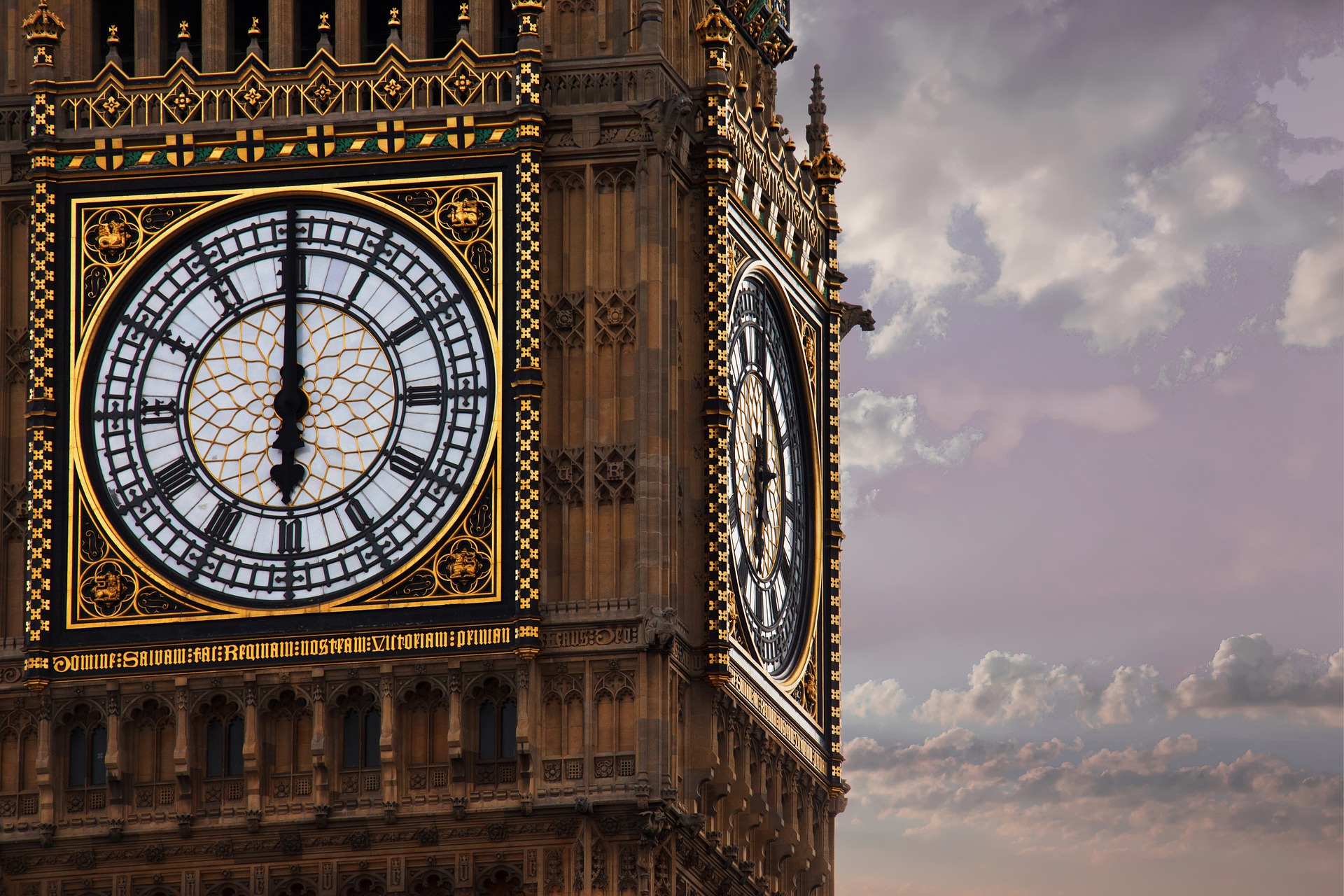
Professor Christopher Forsyth

Professor Christopher Forsyth is a legal academic who was Sir David Williams Professor of Public Law in the University of Cambridge and is Honorary Professor of Law in the University of Stellenbosch. He is an Academic Bencher of the Inner Temple and a barrister (practising from 4-5 Gray’s Inn Square). He is the author with the late Sir William Wade QC of Administrative Law (OUP, 11th ed, 2014) a standard work relied on by students, scholars and judges across the common law world. His many other publications include The Culture of Judicial Independence: Conceptual Foundations and Practical Challenges (Brill, 2011) edited with Professor Shimon Shetreet and In Danger for their Talents: A study of the Appellate Division of the Supreme Court of South Africa from 1950–1980 (Juta & Co, 1985).
Related Publications

Politicising Plants
Lorem ipsum dolor sit amet, consectetur adipiscing elit. Ut elit tellus, luctus nec ullamcorper mattis, pulvinar dapibus leo. Download Publication The Royal Botanic Gardens at Kew are the custodians of arguably the world’s greatest plant collection, enjoyed by generations of visitors. The institution’s purpose – broadly, research in plant science, giving advice on the science of plants, maintenance of its collection and public access to it – is defined by […]Related Blogs
The Arms Trade and the Principles of Judicial Review
The arms trade is very controversial. To some, it is inherently wicked and the UK should have no part of it. To others, the supply of arms to the UK’s allies and strategic partners buttresses stability in the world and boosts the UK’s national security (apart from its contribution to the UK’s economy). UK law undeniably provides for the sale of arms but subject to a rigorous and complex licensing […]Christopher Forsyth: Miller: Was it a draw?
Although the headlines record that the government lost the Brexit judicial review in the Supreme Court, in fact it might be more accurate to see the result as a draw. While the government lost on the question of whether the prerogative could be used to trigger article 50 (and will now have to seek legislation to authorise it to do that), the Supreme Court found unanimously (including the two Scottish justices and […]Questioning the Legal Establishment
“greater assertiveness overall is consistent with the less deferential approach towards authority taken by today’s judges, who grew to maturity in the intellectual climate of the Sixties and Seventies and who therefore feel less hidebound by tradition than their predecessors.” “the judiciary may have to prepare itself for many more jeers from the stalls in the future.” Michael Gove MP, 17 Feb 2017, ‘Judges need to show some self-restraint’, The […]Christopher Forsyth: A change of mind on Bradley
Editor’s Note: Last week Policy Exchange’s Judicial Power Project published a report by Dr Jason Varuhas on Judicial Capture of Political Accountability. The Project has invited commentators with a range of views to reply to the report. Some might be expected to be more sympathetic to the report and others much less so. The final reply is by Professor Christopher Forsyth from the University of Cambridge. Reading Jason Varuhas’s paper has persuaded me that I have in the […]
The draft Investigatory Powers Bill 2015: the “double lock” and the “principles of judicial review”
In this post Professor Christopher Forsyth (University of Cambridge) comments on the "double lock" proposals set out in the draft Investigatory Powers Bill, which would require Judicial Commissioners (High Court judges) to approve decisions of the Home Secretary to issue interception warrants.